Maximize Your Budget and Health with Frozen Food
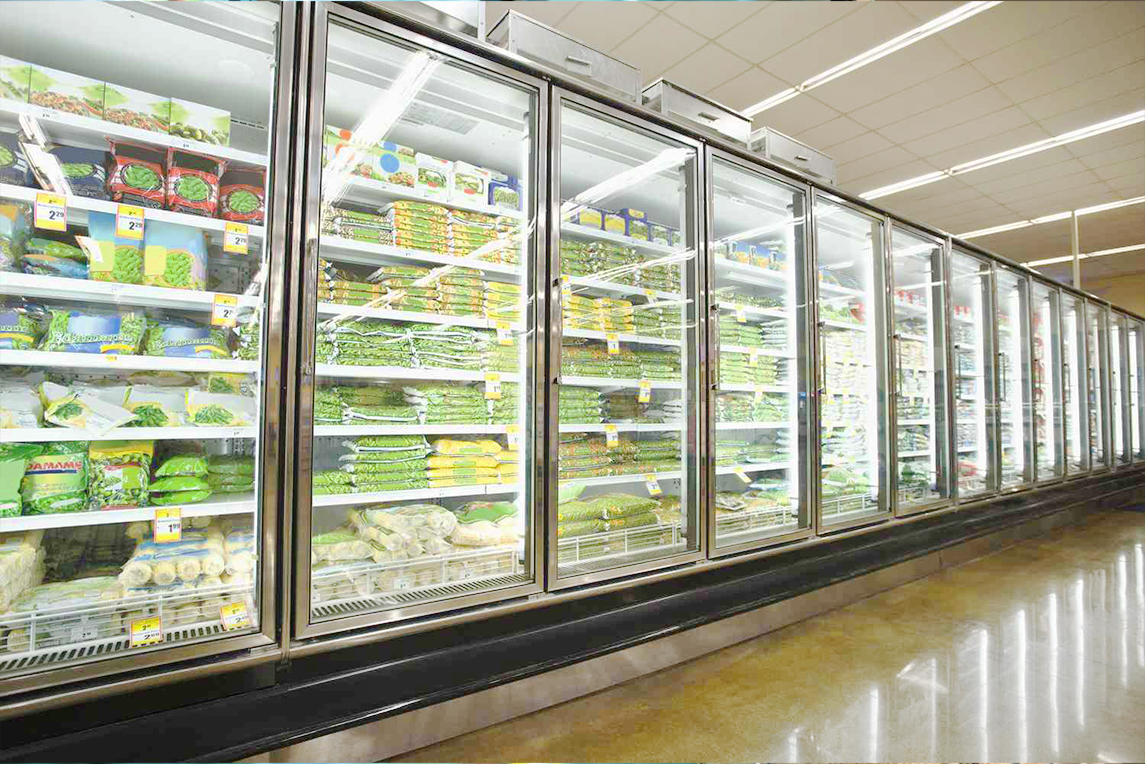
March is a special month for learning how to make healthy food choices. It’s not only National Nutrition Month, but it’s also National Frozen Food Month. These holidays encourage people to choose foods that nourish their bodies and meet their dietary and lifestyle preferences. Eating frozen foods offers many benefits including convenience, extending the shelf-life of food, locking in nutritional value and affordability.
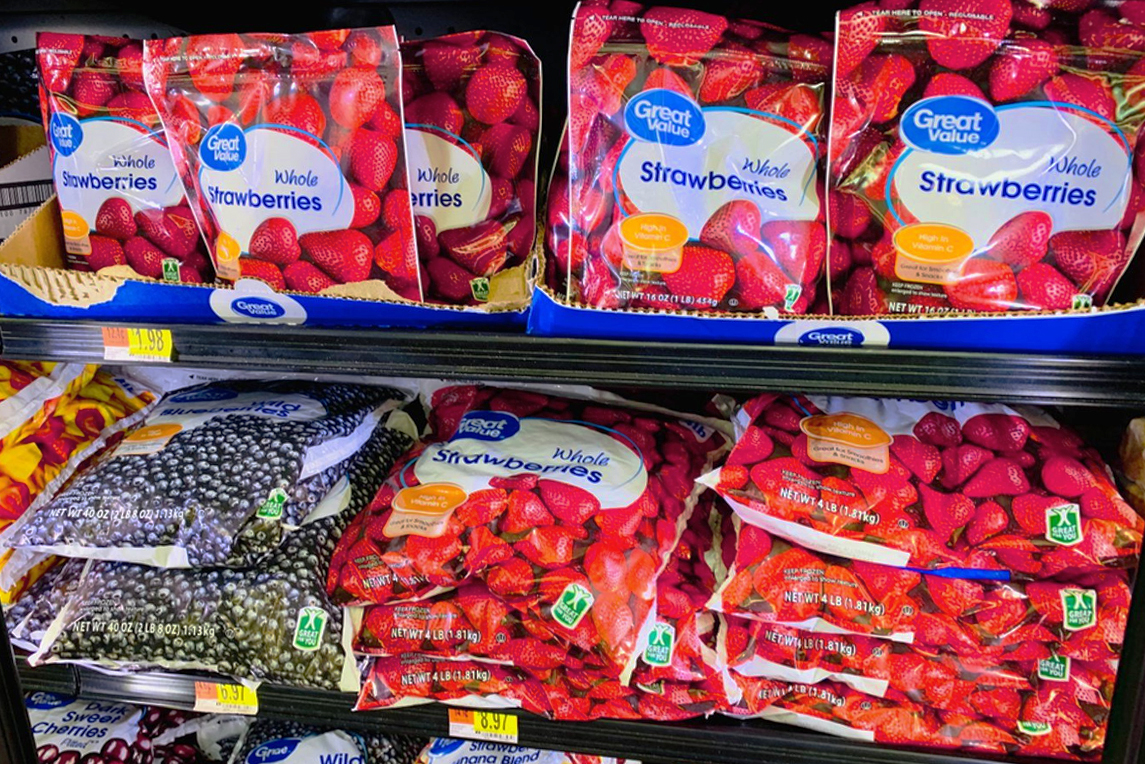
Frozen fruits and vegetables are often picked at their peak ripeness and then frozen, which helps keep their nutrients and flavor. Freezing foods like meat and bread also help them last longer and reduce food waste.
Nutrition Benefits
A common myth is frozen foods aren’t healthy. That’s not always the case. Freezing foods that are inherently healthy gives your body the nutrients it needs. Frozen produce can be just as healthy as fresh produce! Keeping frozen fruits and vegetables at home can make it easier to consume them year-round.
If you are purchasing prepared frozen foods, read the nutrition label. Choose items without added sodium (salt) or sugar and unhealthy fats. A good rule of thumb is it’s usually healthiest when the ingredients list is short.
Storage and Preparation Benefits
Frozen foods are not only easy to prepare, but they last a long time. When stored properly, they are safe to eat for months. To ensure safe storage, keep your freezer temperate at 0°F, use airtight containers and close food bags tightly.
Preparation Benefits
When purchased frozen, foods are often washed, peeled and/or chopped already which saves time in the kitchen!
Cost Benefits
Frozen foods can help individuals, families and seniors save money and reduce waste. When purchasing frozen food, you don’t pay for parts of the fruits or vegetables you can’t eat. Freezing prepared meals is a safe way to minimize food waste and extends the life of your dollar. Many foods can be frozen if the entirety isn’t consumed so they don’t spoil and need to be thrown out. A best practice can be buying items like bread, produce and proteins in bulk and freezing what you won’t consume right away or buying produce when it’s in season and freezing it for later.
Berry and Cauliflower Smoothie
Ingredients
- 1 cup cauliflower cut into small florets and frozen (or frozen cauliflower rice)
- 1 cup water
- 2 cups low-fat milk of choice
- 2 cups frozen mixed berries
- 1/4 cup almond butter or peanut butter
- 1 banana ripe
- 2 tablespoons rolled or quick oats
- 2 tablespoons honey
Instructions
- Combine frozen cauliflower, water, and milk in your blender. Blend until smooth and cauliflower is totally pureed.
- Add remaining ingredients to your blender. Blend on high until smooth. Slowly add water until you have reached your desired consistency
- Pour into glasses and enjoy immediately.