Advocacy in Action: Connecting Farms to Families Strengthens Wisconsin’s Food System
Written by Mark Lisowski, Hunger Relief Federation Organizer
————————————–
As the organizer of the Hunger Relief Federation – a statewide association of independent food banks and food pantries – one of the most common challenges I see emergency food organizations face is access to high-quality healthy foods. A key solution to this persistent issue is Hunger Task Force’s Connecting Farms to Families program.
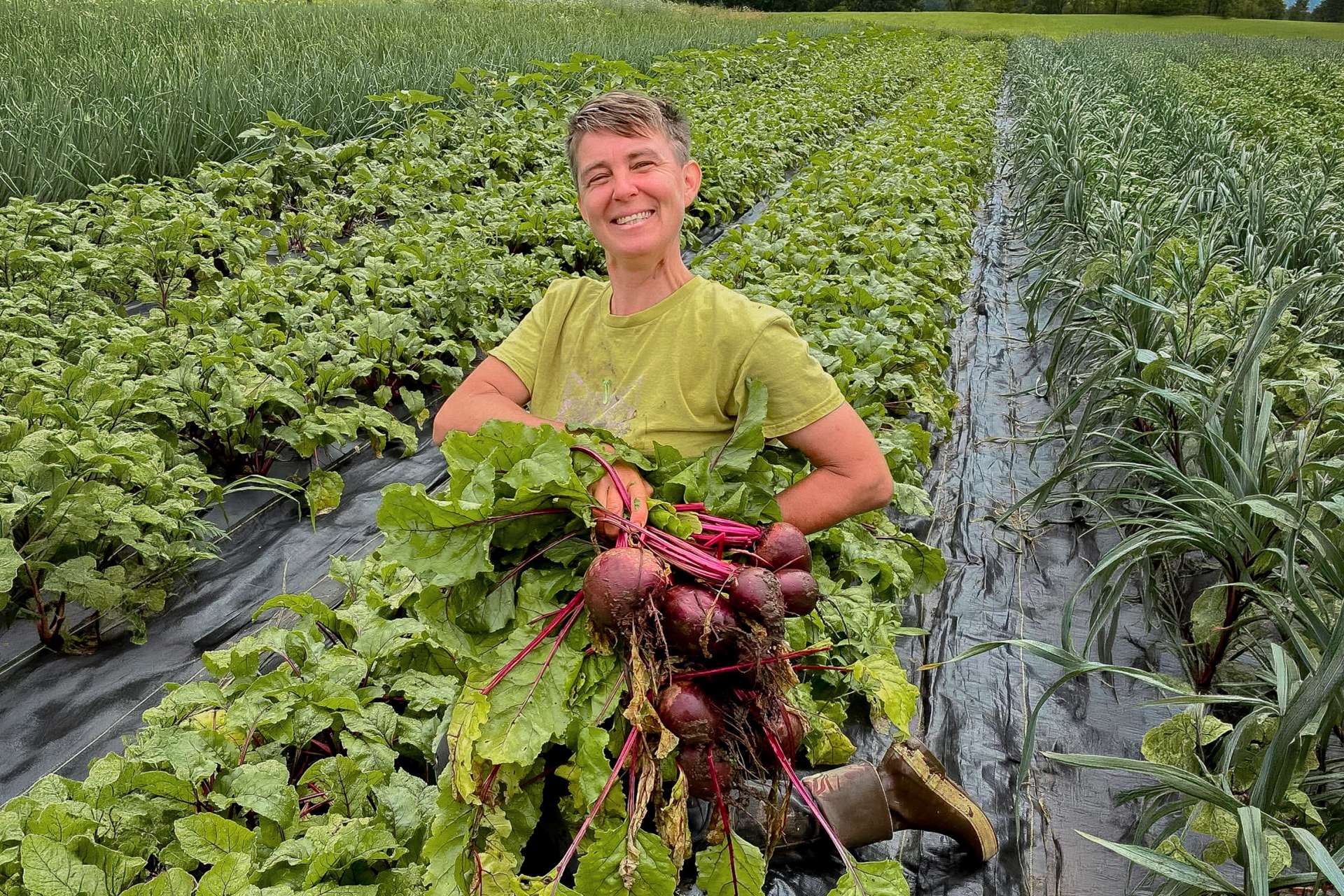
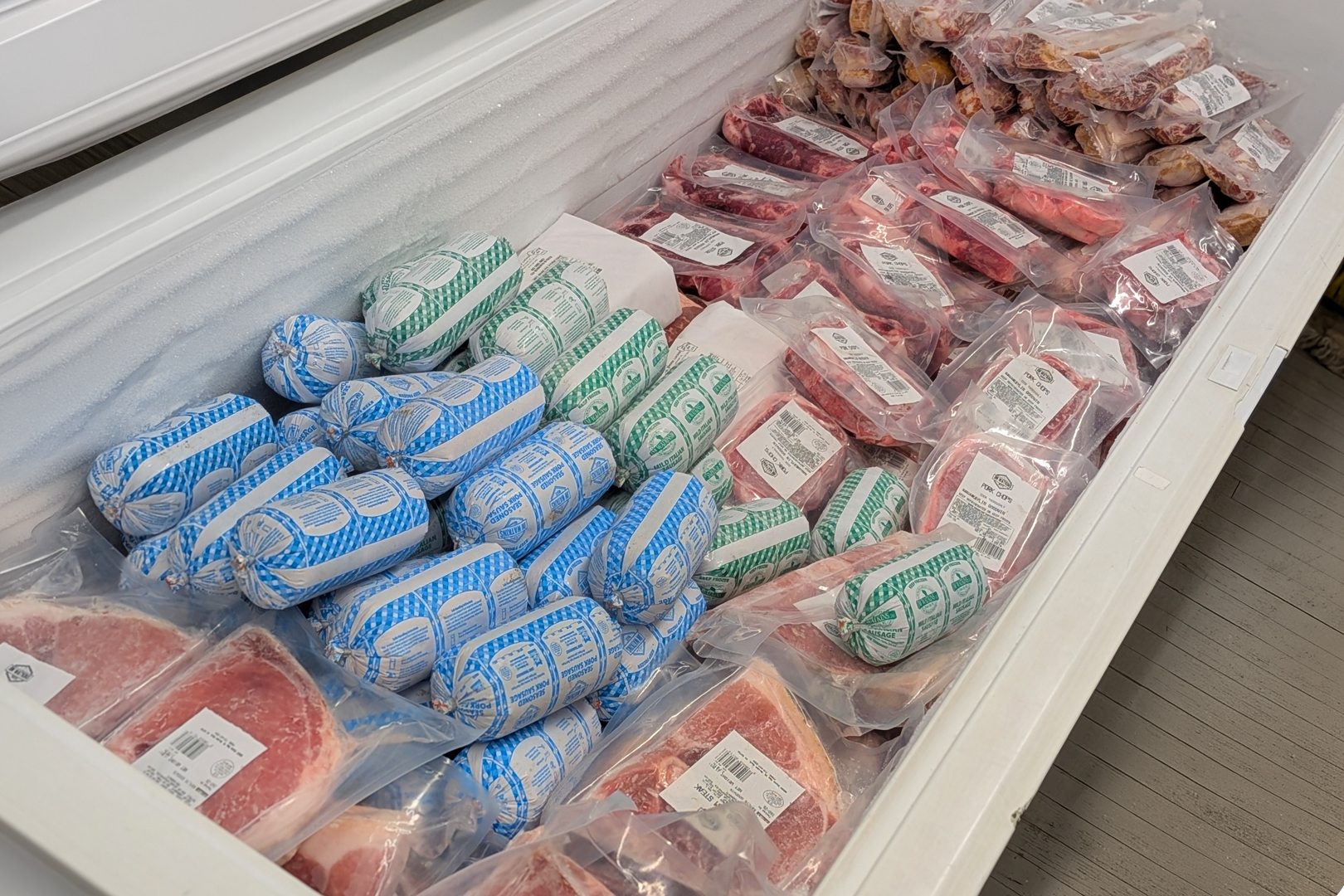
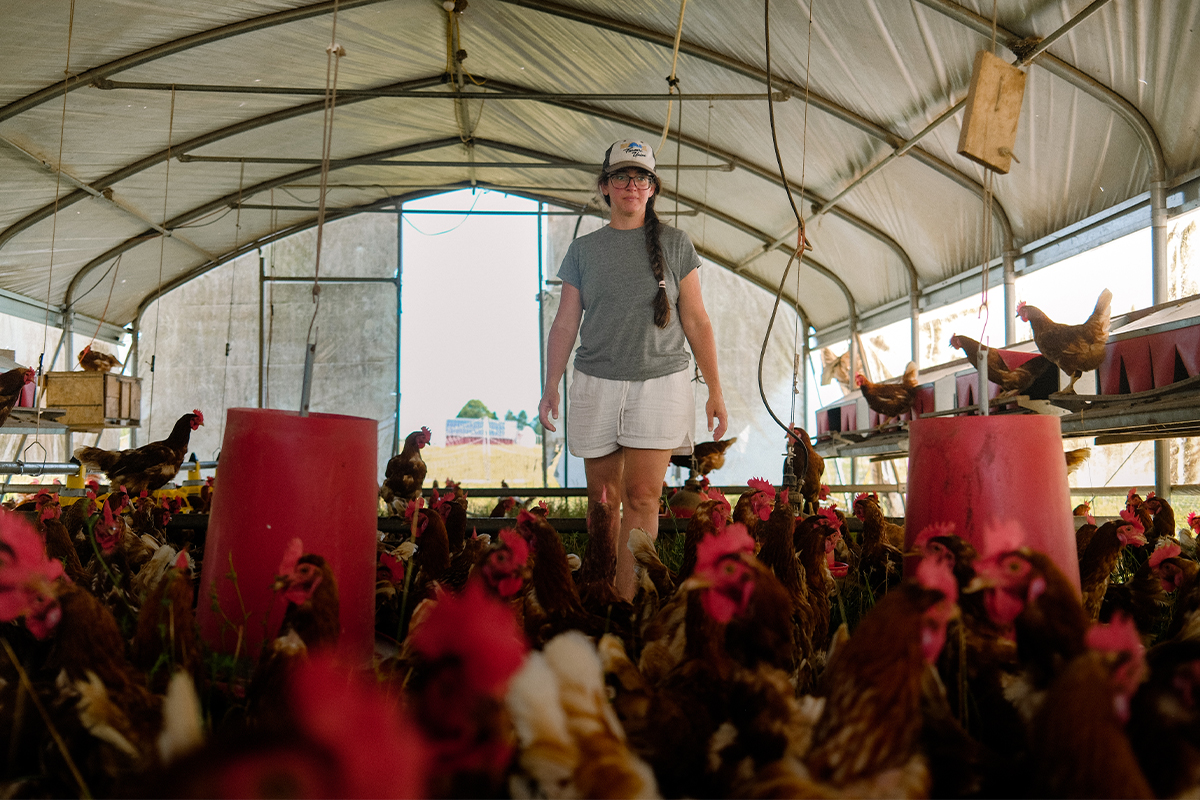
As the recipient of a $2.5M grant through the Wisconsin Department of Agriculture, Trade and Consumer Protection (DATCP), Hunger Task Force used the funding – and matched it with $1M in private funding through its Farm to Food Bank Fund – to provide grants to nonprofit food assistance programs in 45 counties across the state to purchase culturally diverse and fresh foods from small and mid-size producers to keep pantry shelves stocked with nutritious food.
All foods purchased by recipient organizations have been sourced from small and mid-size Wisconsin producers, ranchers and growers, providing a direct economic stimulus to the state’s agriculture industry while supplying families and individuals in need with high-quality, nutritious foods. These grant funds have allowed Hunger Task Force to amplify its Free & Local mission as Wisconsin’s anti-hunger leader.
Some grant recipient organizations have managed their own procurement while others have sourced their food through the Wisconsin Food Hub Cooperative, Hunger Task Force’s major fulfillment partner in the Connecting Farms to Families program. The Wisconsin Food Hub Cooperative has made purchasing and receiving food incredibly convenient by offering a list of local foods to choose from and coordinating the delivery from the producer, rancher or grower to the emergency food organization. To ensure emergency food organizations do not experience any financial barriers to receiving food, Hunger Task Force also covers the cost for delivery.
The launch of Connecting Farms to Families is a celebration of diligent advocacy work conducted by Hunger Task Force employees, anti-hunger organizations and stakeholders across Wisconsin and members of the Hunger Relief Federation and Voices Against Hunger. Members spoke at public hearings during the last state budget cycle and sent hundreds of emails to the legislature’s Joint Committee on Finance to encourage elected officials to include these critical funds in the state budget. The launch of this impactful program is a direct representation of what can happen when anti-hunger advocates come together to make their voices heard and take easy actions to fight hunger.
Hunger Task Force, the Hunger Relief Federation and farmers, growers and producers across the state are grateful to Governor Evers and the state legislature for these investments in the current budget and to DATCP for their administrative support to this program. Our coalition partners continue to advocate for further funding in the upcoming 2027-2029 budget.
Join us! Visit our action center to find priority campaigns and ways to get involved that match your interests.