Insights from the 2026 No Kid Hungry Summer Nutrition Summit
Reflection by Tania Ramsey, Child Nutrition Organizer at Hunger Task Force.
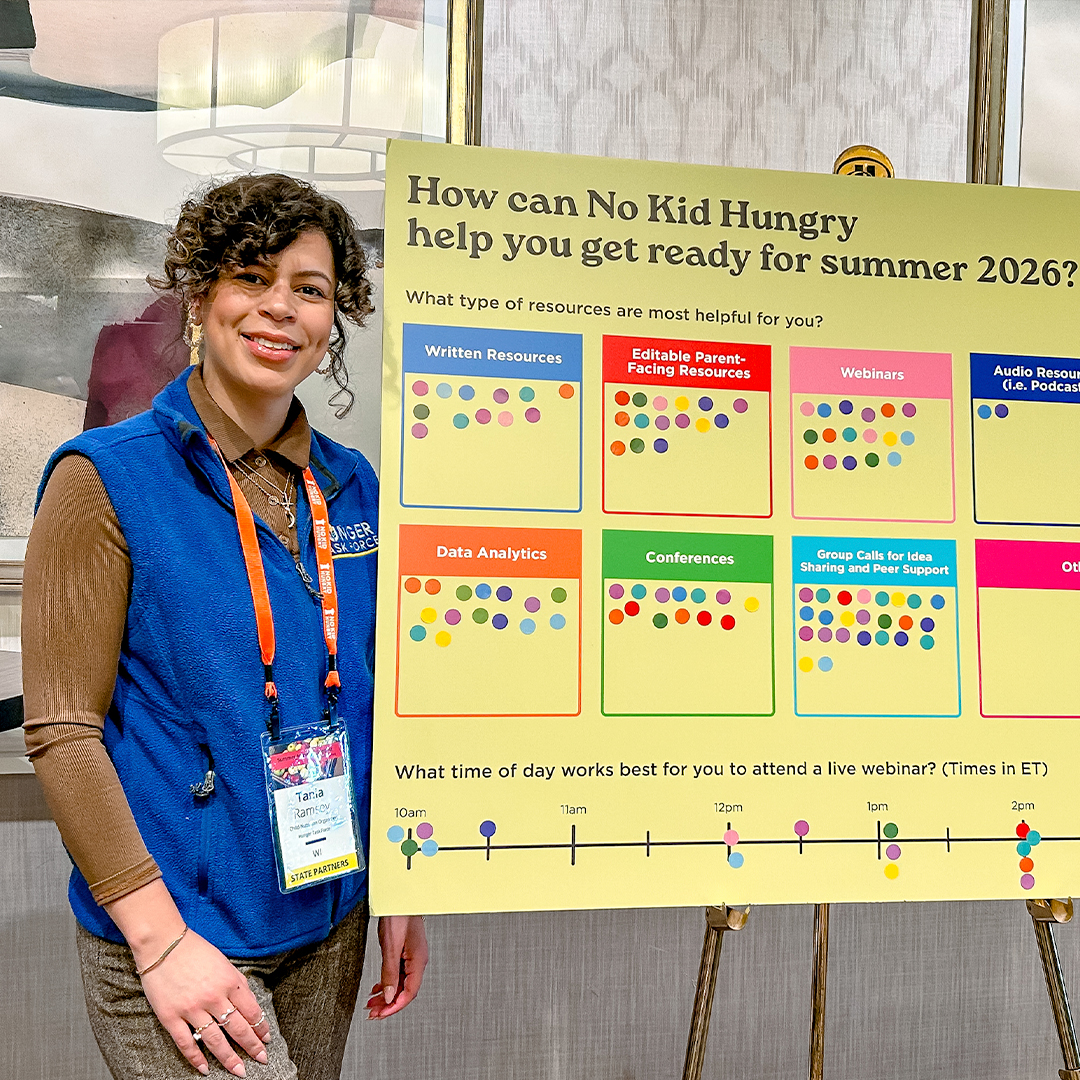
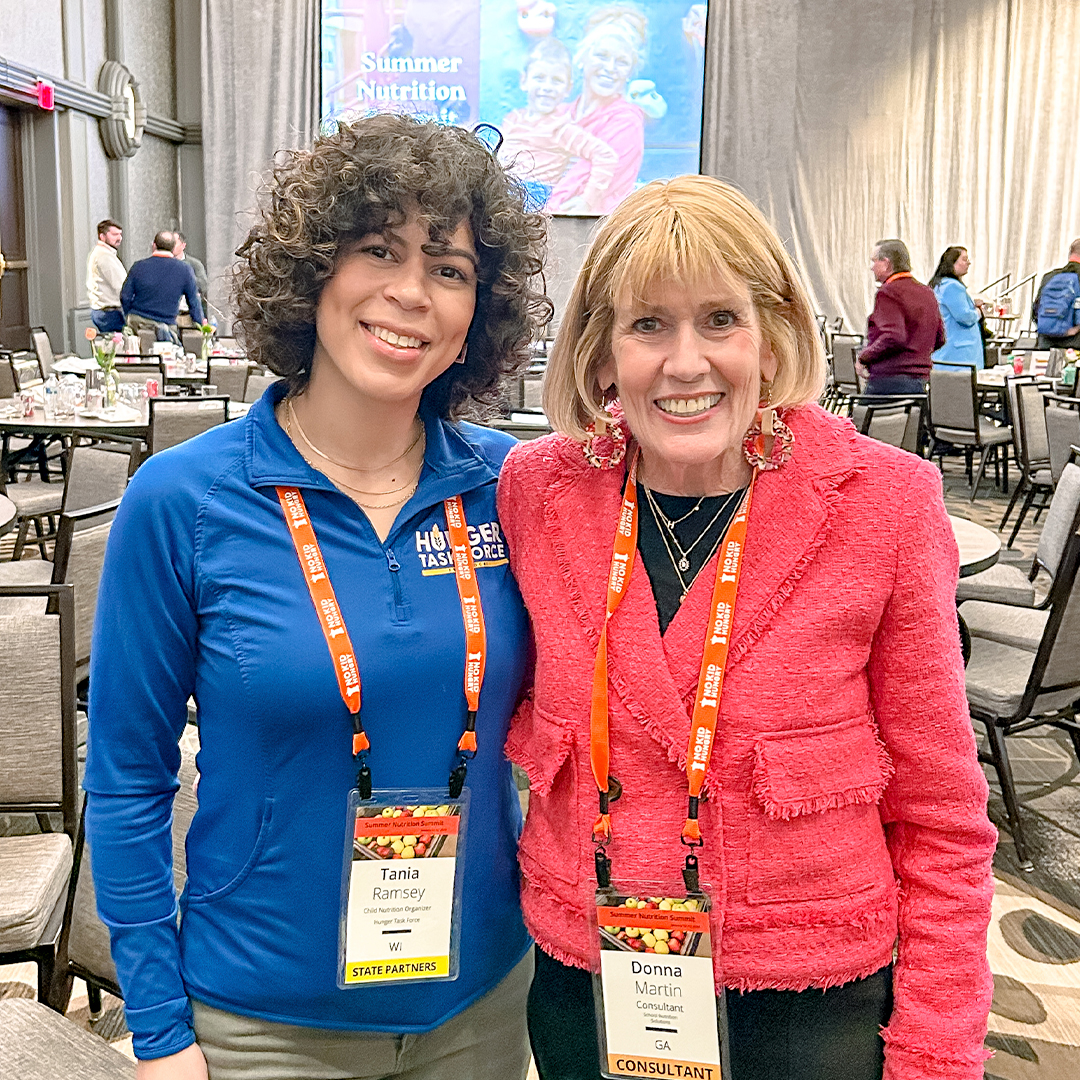
This month, I attended the 2026 Summer Nutrition Summit in Washington, D.C., hosted by No Kid Hungry. The summit brought together federal partners, state and tribal agencies, summer meal sponsors and anti-hunger organizations from across the country to share strategies for strengthening summer nutrition programs and expanding access for children nationwide.
For Hunger Task Force, this convening closely aligned with our long-standing role in child nutrition across Wisconsin. In Milwaukee County, Hunger Task Force administers the Summer Food Service Program through the Summer Meals “Milwaukee Model,” coordinating meal service and ensuring children have access to healthy food when school is out. Beyond Milwaukee County, we provide support, resources and technical expertise to summer meal providers in rural communities, helping strengthen programs and expand access statewide. The summit offered valuable insight into how national policy, program design and innovation can further support this work at the local level.
A central theme throughout this year’s summit was accessibility, especially as it relates to Summer EBT, a federal benefit that provides grocery funds to families with school-aged children during the summer months when free school meals are not available. While the program is an important tool for helping families put food on the table during the summer, many discussions focused on the experience of using the benefit. Reducing barriers like stigma is essential to making sure families can use these benefits with confidence and respect.

The summit also emphasized the importance of reaching children who are often missed by traditional summer nutrition programs. This includes families in rural communities, children in foster care, immigrant families and those experiencing homelessness. Speakers consistently pointed to the role of trusted, local partners in improving outreach and participation. This mirrors Hunger Task Force’s approach across Wisconsin, where strong relationships with community organizations help ensure programs reach families who need them most.
Another key area of focus was the continued expansion of Rural Non-Congregate Summer Meals. These models allow families to receive meals in flexible ways, such as grab-and-go distribution or home delivery, reducing transportation and distance as barriers. One emerging option discussed was the use of Amazon as a meal delivery provider, which would allow meals to be shipped directly to families’ homes. While still evolving, this approach shows promise for rural areas and will be important to watch as states plan for future summers.
The summit also provided valuable time to connect with partners from the Wisconsin Department of Health Services and the Department of Public Instruction. Together, we discussed ways to better coordinate federal nutrition programs and align outreach efforts. These conversations build on existing partnerships and support a more connected, efficient approach to serving families across the state.
Overall, the 2026 Summer Nutrition Summit reinforced that effective summer nutrition programs depend on collaboration, flexibility and respect for the families they serve. The insights gained will help guide Hunger Task Force’s ongoing work to strengthen summer meals and nutrition assistance across Wisconsin. As we look ahead, these lessons will support programs that are responsive, accessible and grounded in dignity for every child and family.
Hunger Task Force is Milwaukee’s Free & Local food bank and Wisconsin’s anti-hunger leader. The organization’s core values are Dignity, Justice, Equity, Compassion and Stewardship. Hunger Task Force feeds people today by providing healthy and culturally appropriate food to hungry children, families and seniors in the community absolutely free of charge. Hunger Task Force also works to end future hunger by advocating for strong public policies and nutrition programs at the local, state and federal level.