Annual Report FY25

In a year marked by challenge and disruption, Hunger Task Force responded with resilience and gratitude. As need increased, we remained a trusted source of healthy food for families, seniors and children. Through strong partnerships and timely action, we ensured access with dignity—made possible by the generosity and commitment of our community.


Message from the CEO
In a year marked by shifting policies, reduced resources and growing need, Hunger Task Force remained focused on what mattered most – ensuring access to healthy food with dignity.
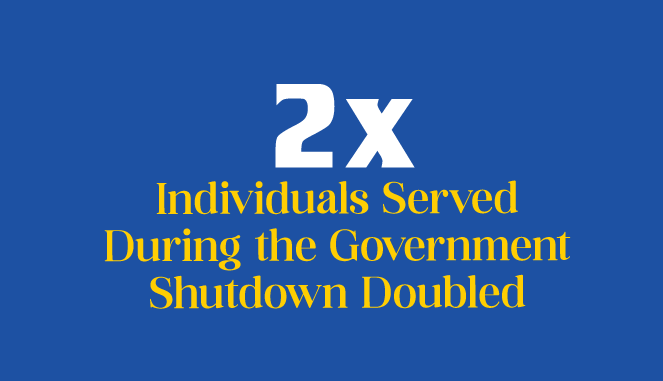
From Milwaukee neighborhoods to communities across Wisconsin, this past year proved to be a critical stress test for the systems that fight food insecurity. Funding cuts to local food purchasing and the Local Food Purchase Assistance (LFPA) program, along with reduced investment in SNAP-Ed nutrition education, placed new strain on families, farmers and frontline hunger relief efforts. As the year progressed, a federal government shutdown and harmful delays in SNAP benefits (known as FoodShare in Wisconsin) further compounded this uncertainty, leaving many families and seniors navigating rising costs of living without timely access to expected grocery support.
Hunger Task Force did not pause.
Because of careful planning, strong partnerships and the trust of our community, we ensured that families continued to access healthy food with dignity – without interruption. Our staff, volunteers and emergency food network partners responded quickly, expanded access where needed and met people with compassion at every point of service.
Throughout the last year, we saw neighbors who had never needed food assistance walk through pantry doors for the first time. They were met with respect, professionalism and compassion. They left knowing that asking for help is not a failure, and that dignity belongs in every interaction.
As you will see throughout this report, Hunger Task Force remained financially, programmatically and operationally strong during a year of cuts and disruption. Whether you supported our work through a financial gift, volunteer service, advocacy support or partnership, you helped Hunger Task Force ensure that when systems slowed, access to food never did.
Thank you for standing with us.

Matt King
Chief Executive Officer
Emergency Food Network
Strength in a Year of Challenges, Disruptions and Cuts
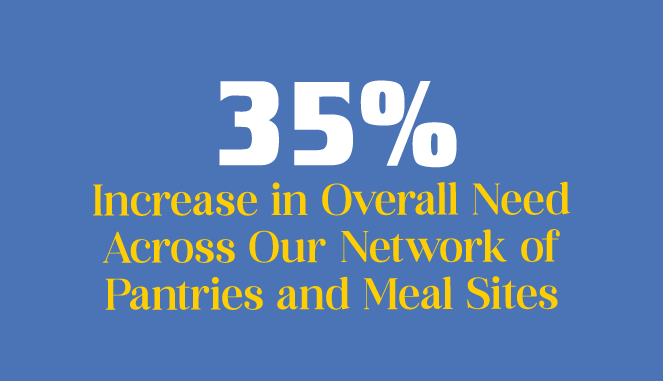
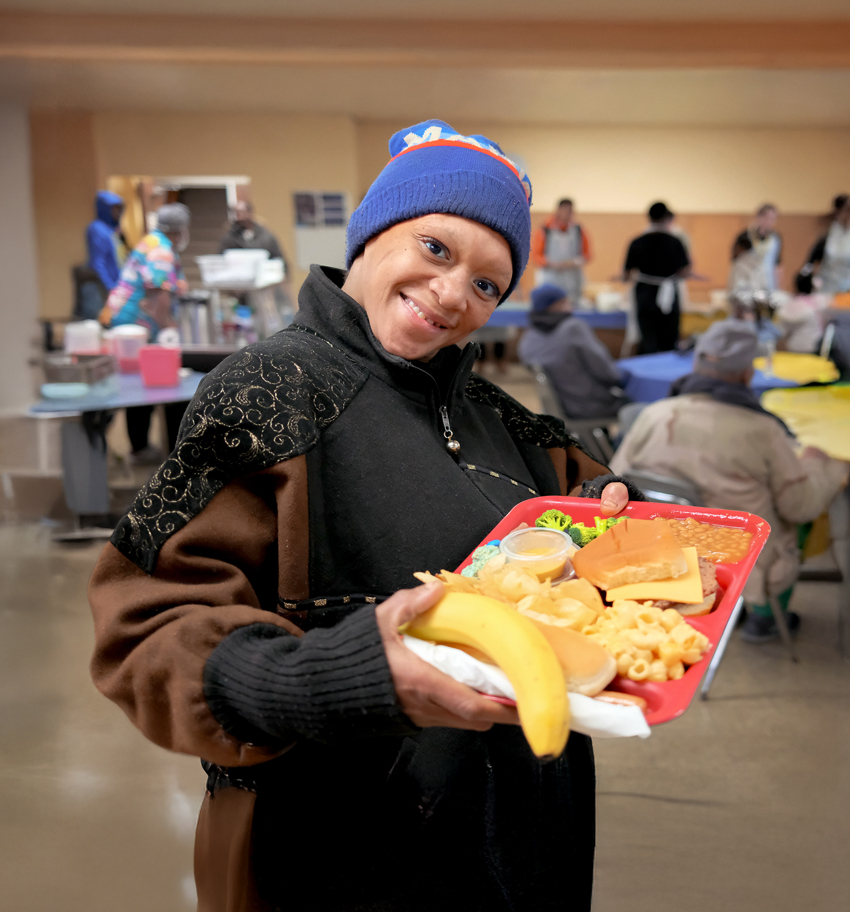
Hunger Task Force’s emergency food network served as a vital safety net throughout the year, particularly as rising costs of living were compounded by funding cuts to the Commodity Credit Corporation (CCC), a federal entity that historically provided additional food supply toward hunger-relief programs, and the Local Food Purchase Assistance (LFPA) program. To stabilize access and support frontline partners, Hunger Task Force launched the Network Support Fund and the Farm to Food Bank Fund, ensuring pantries, meal sites and shelters had the resources needed to meet increased demand. As SNAP delays and the federal government shutdown further strained food access, Hunger Task Force fulfilled emergency food orders above and beyond anticipated distributions to prevent gaps in service when families needed help most.
Network Snapshot:
- Expanded open hours within our emergency food network to fill access gaps
- Assured adequate food supply through fulfillment of every emergency request
- Increased on-site visits by Network Services staff
Statewide Advocacy Leadership
Resilience Through the Hunger Relief Federation and Voices Against Hunger
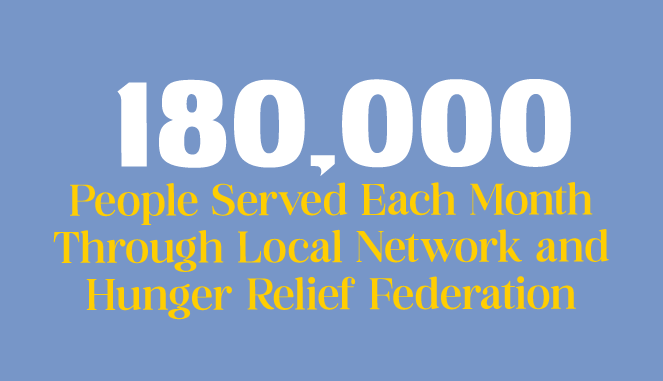
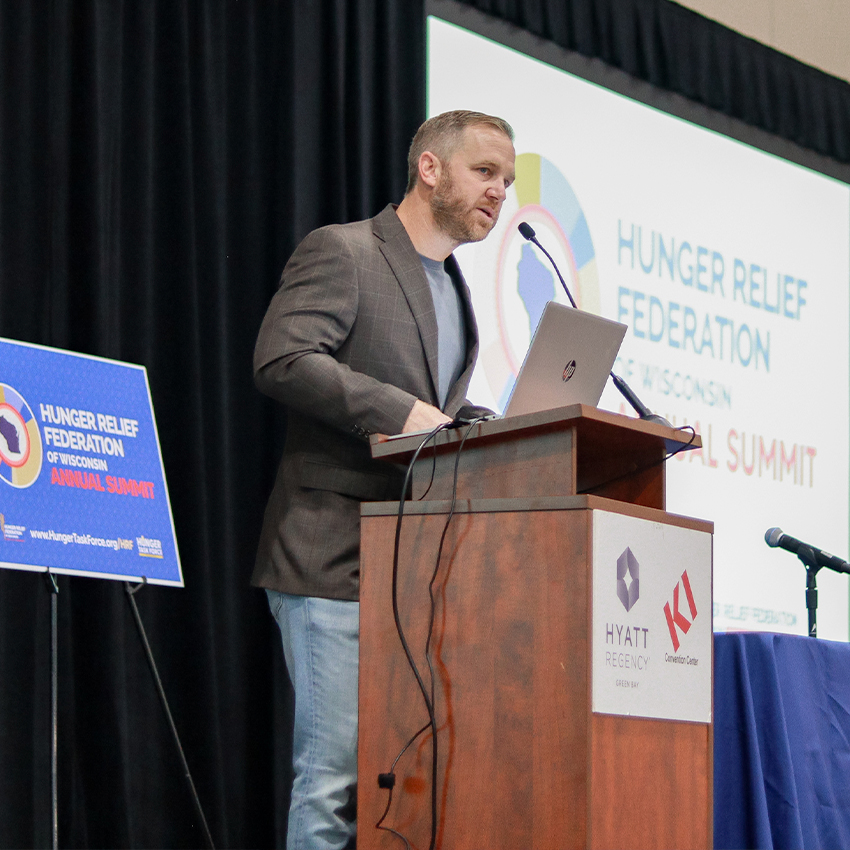
Through direct engagement with policymakers, the Hunger Relief Federation and Voices Against Hunger advocacy network, Hunger Task Force mobilized thousands of advocates statewide to influence critical decisions shaping food access. At the federal level, Hunger Task Force advocated for strong nutrition programs, opposing harmful cuts and program changes that would result in families losing benefits. Our collective efforts led to strong funding for WIC and ensured fewer families with children would lose access to SNAP.
At the state level, Hunger Task Force advanced advocacy tied to Wisconsin’s 2025–2027 biennial budget, helping secure a $10 million investment to strengthen local food purchasing following the elimination of the federal Local Food Purchase Assistance (LFPA) program. As part of this investment, Hunger Task Force was awarded a $2.5 million grant through the Wisconsin Department of Agriculture, Trade and Consumer Protection (DATCP) to implement Connecting Farms to Families, a program that connects hunger relief organizations with Wisconsin farmers and producers.
Advocacy Snapshot
- Opposed SNAP cuts and benefit restrictions proposed under the One Big Beautiful Bill
- Supported policies that strengthened nutrition benefits from The Special Supplemental Nutrition Program for Women, Infants & Children (WIC)
- Received a $2.5M grant to create the Connecting Farms to Families program
- Expanded Federation membership to 239 organizations across 70 Wisconsin counties
- Hosted the Hunger Relief Federation Summit for 115 attendees representing 61 organizations across 32 Wisconsin counties
FoodShare Support in a Year of Rising Need and Delayed Benefits
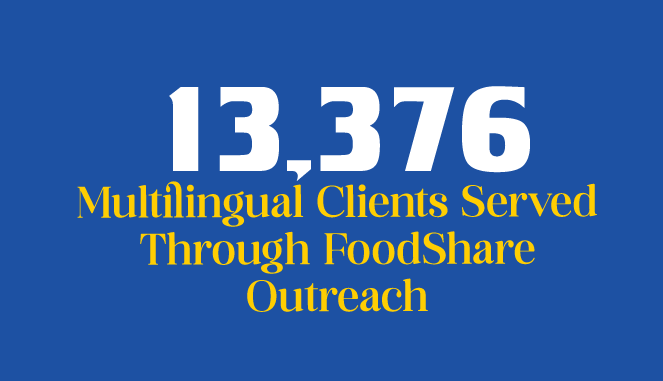
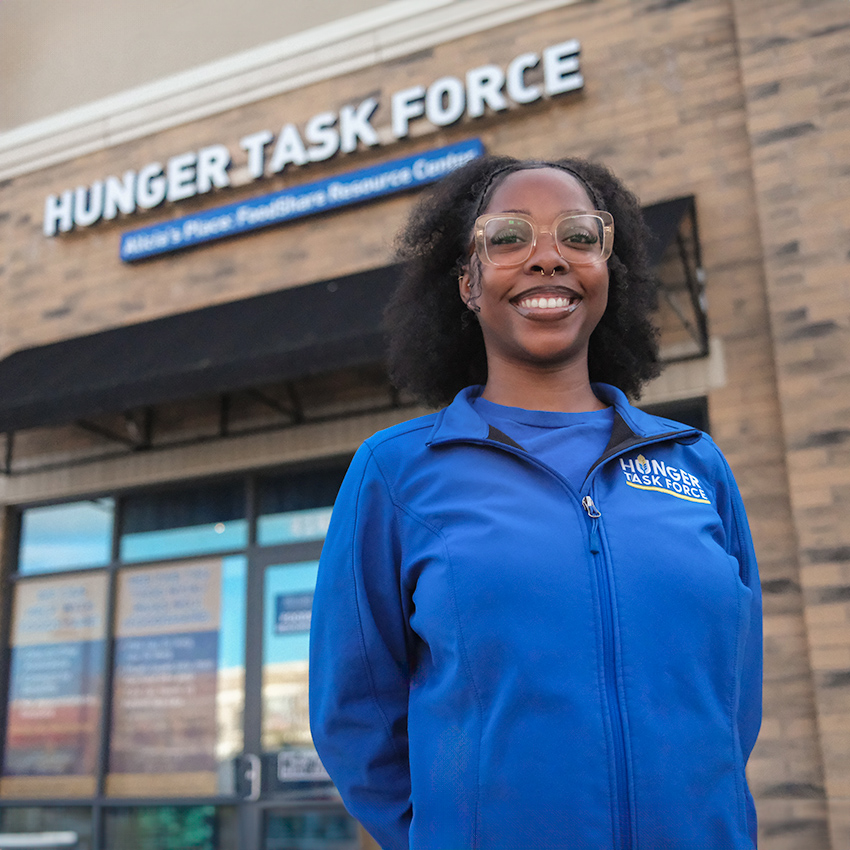
As housing, utility, transportation and grocery costs rose, Hunger Task Force supported families, seniors and individuals relying on FoodShare, assisting both first-time applicants and long-time participants navigating a more complex economic environment. FoodShare Advocates provided hands-on assistance with applications, renewals and eligibility questions, helping thousands of households avoid gaps in benefits and reduce administrative barriers. Multilingual support ensured language was not a barrier to access, and dignity-centered service remained central to every interaction.
As these pressures mounted, a federal government shutdown and resulting delays to SNAP (known as FoodShare in Wisconsin) benefits added an additional layer of disruption. Hunger Task Force responded by increasing outreach and guidance during benefit interruptions, helping households maintain access to critical nutrition support during an already challenging year.

FoodShare Outreach Snapshot
- Helped first-time applicants navigate FoodShare enrollment
- Provided culturally responsive outreach in 28 languages
- Reduced administrative barriers during benefit delays tied to the government shutdown
- Opened the Southside Community Resource Center at 802 W. Historic Mitchell Street
Addressing Childhood Hunger and Expanding Rural Access
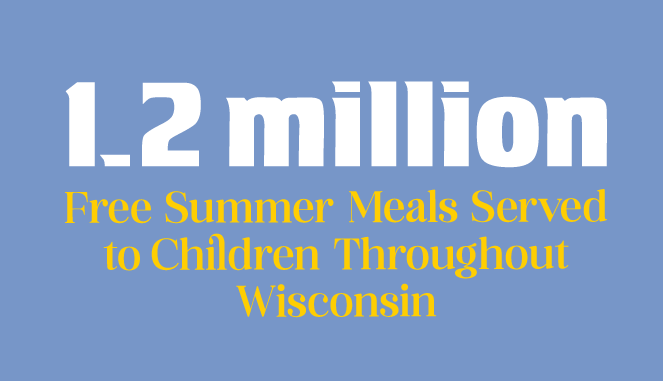
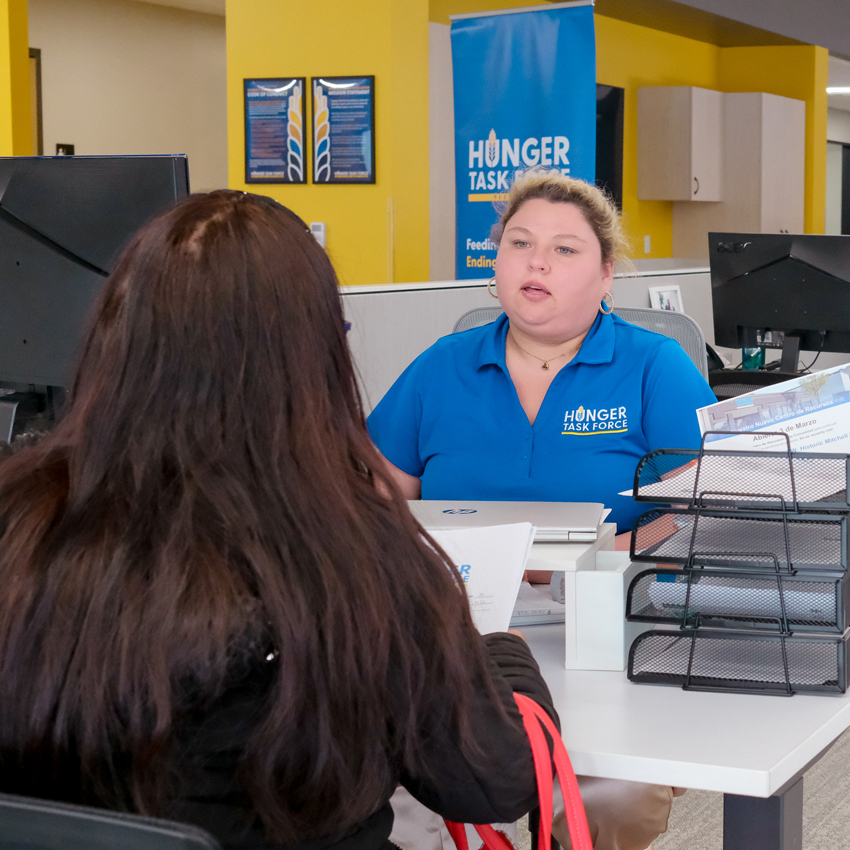
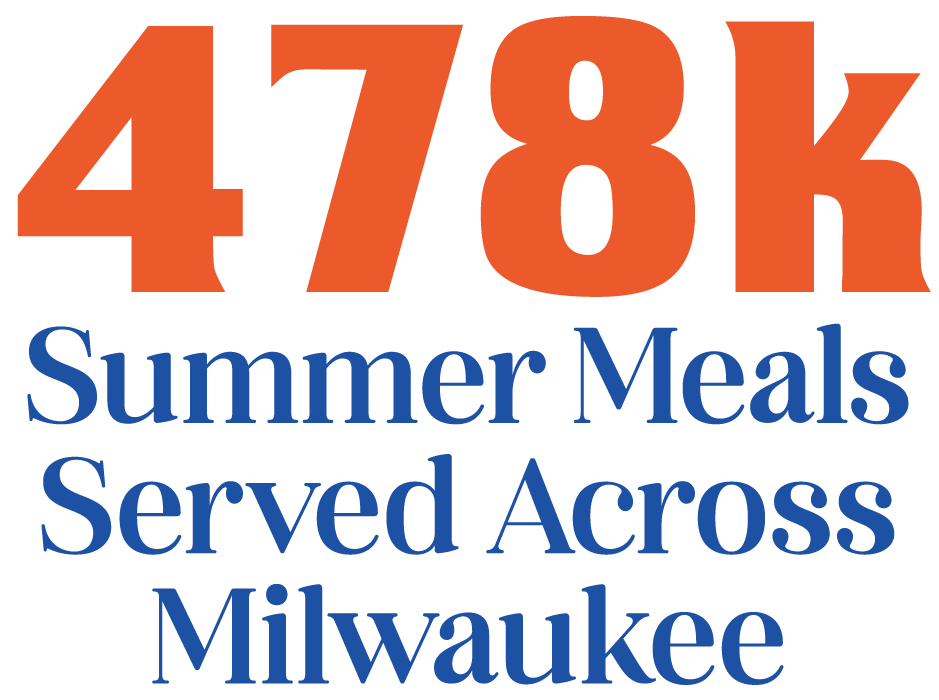
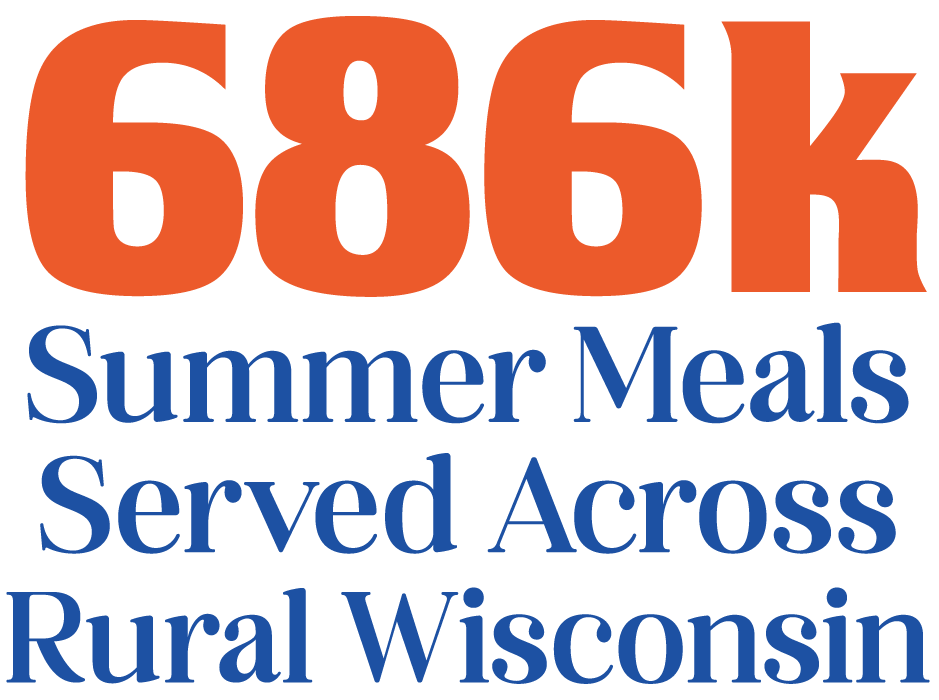
Through its administration of the federal Summer Food Service Program (SFSP), Hunger Task Force continued to lead a coordinated approach known as the “Milwaukee Model,” ensuring children had access to free, nutritious meals during the summer months. Hunger Task Force expanded the Milwaukee Model statewide, leveraging new federal allowances for permanent non-congregate meals to reach rural communities. In total, our Summer Meals Program served 478,000 meals at 190 sites throughout Milwaukee in addition to 686,000 meals at 73 rural sites across Wisconsin.
Access Without Exception for Older Adults
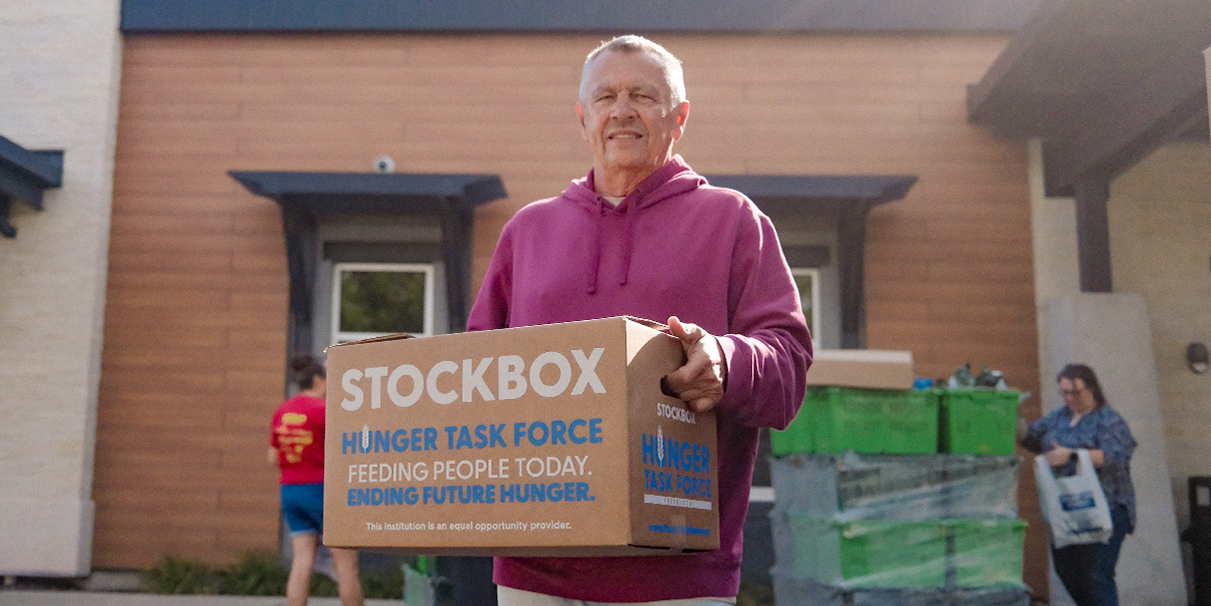
Seniors remain one of the most vulnerable populations facing hunger, relying heavily on federal nutrition programs and other safety net programs to maintain consistent access to food. Hunger Task Force ensured older adults continued to receive nutritious food without barriers by strengthening access points and adapting programs to meet rising need. Expanded availability of meats and other high-protein foods alongside Stockbox helped support health and independence, while alternative food boxes ensured seniors were not turned away when traditional caseload limits were reached.
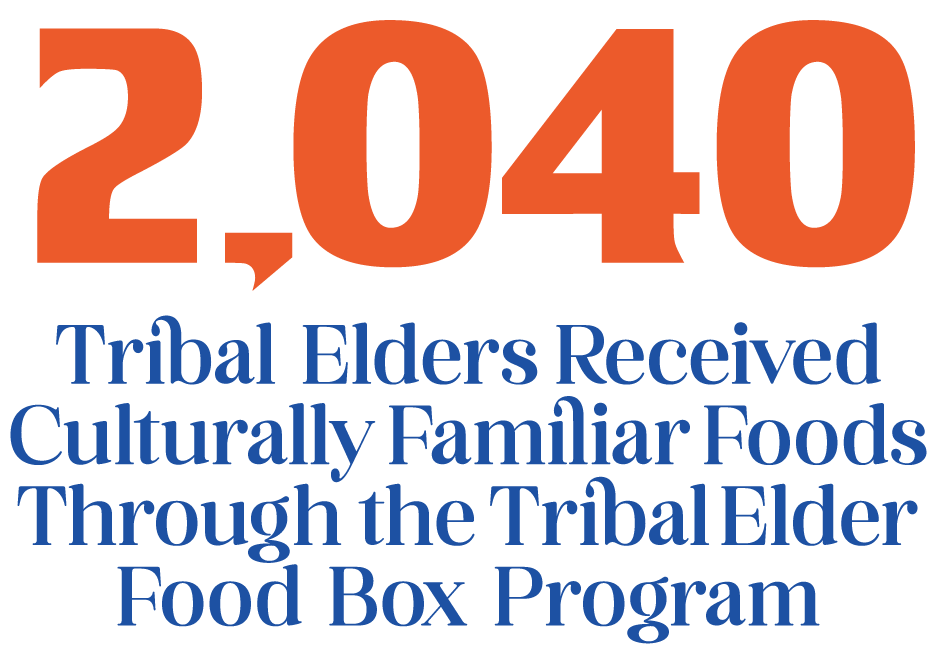
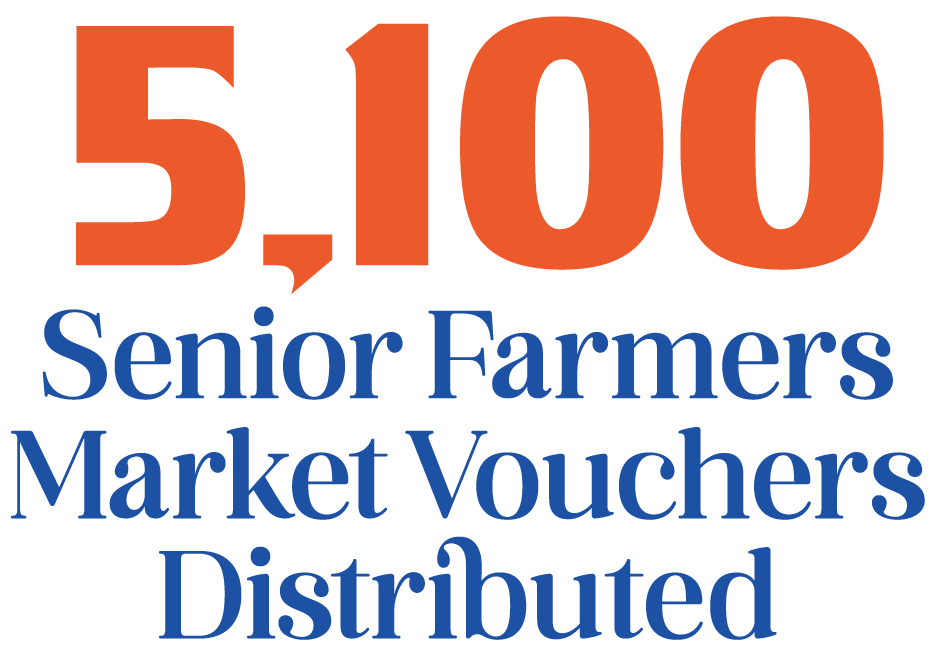
Tribal Elders received culturally familiar foods through the Tribal Elder Food Box Program, honoring tradition and dignity. During the summer months, seniors were also supported with vouchers that increased access to fresh, locally grown foods through the Senior Farmers Market Nutrition Program. Through these coordinated efforts, every senior seeking food assistance was able to receive it, reinforcing Hunger Task Force’s commitment to equitable, reliable access for older adults.




Resilience Under Environmental Pressures at The Farm
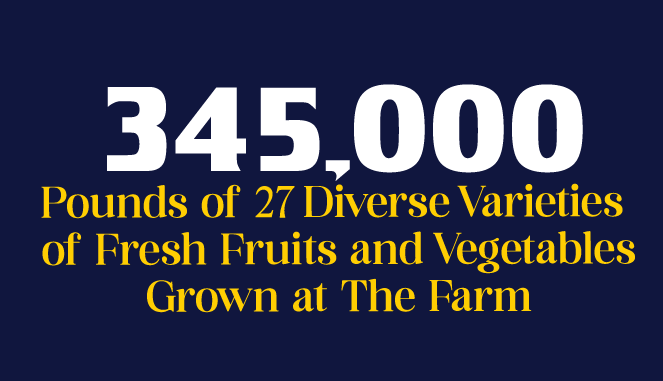
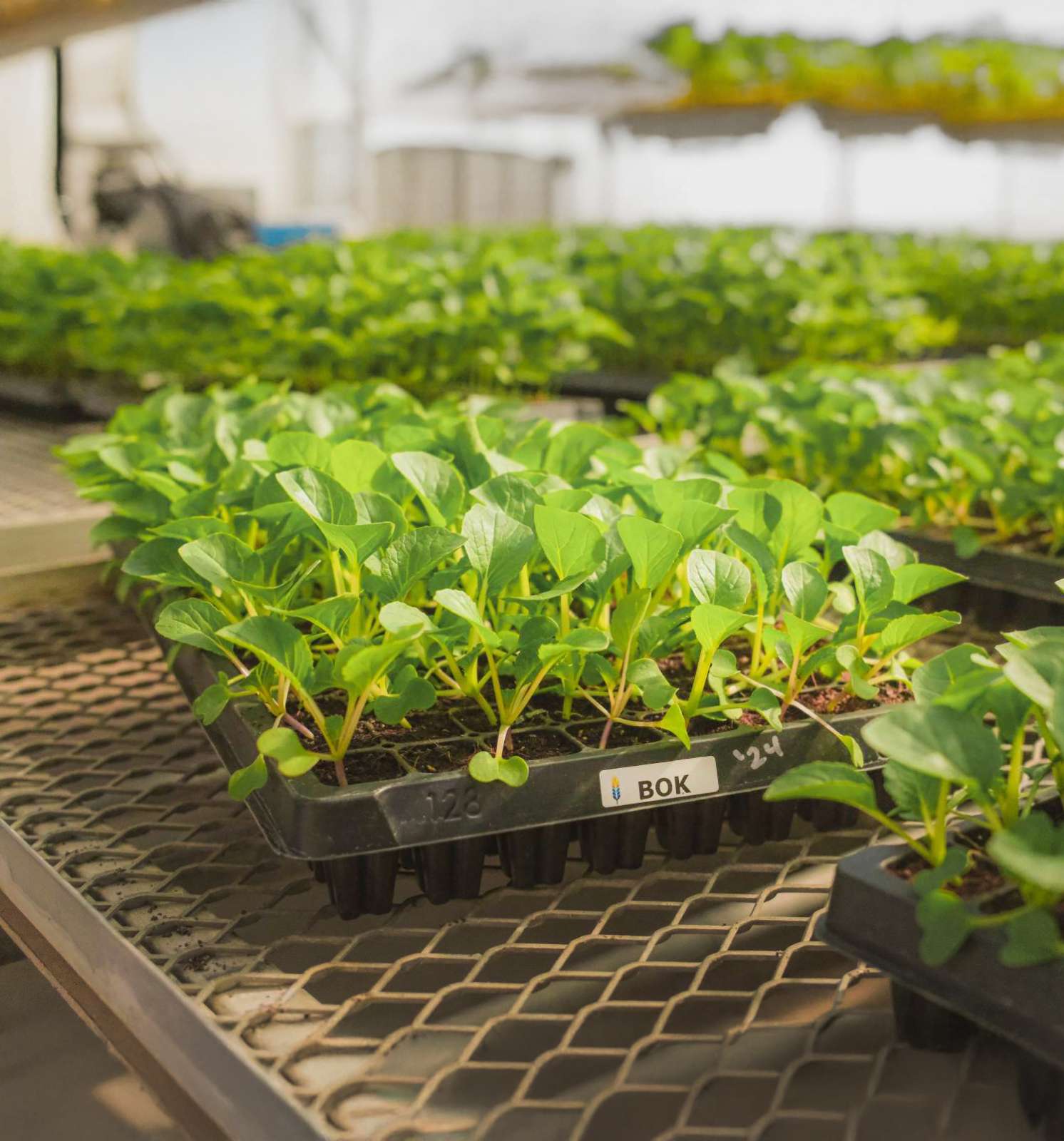
The Hunger Task Force Farm continued to play a critical role in providing fresh, healthy produce, even during a challenging growing season. Historic flooding across Wisconsin in August reduced yields, but with the support of thousands of volunteers, The Farm still grew and distributed more than 350,000 pounds of fresh fruits and vegetables to families, seniors and children across the community.
Farm Snapshot:
- Historic flooding reduced yield, requiring replanting and overtime labor
- Purchased local, fresh produce to supplement flood-related losses from Wisconsin producers
- No compromise to quality or access

Community Nutrition Education
Supporting Healthy Choices Despite Funding Cuts
Despite the elimination of the federal SNAP-Ed nutrition education program, Hunger Task Force remained committed to supporting long-term health through community nutrition education alongside emergency food access. While funding streams changed, our belief did not: ending hunger requires more than food alone. It requires knowledge, confidence and access to tools that help people make choices that support their health, culture and medical needs.
Throughout the year, Hunger Task Force adapted program delivery and integrated nutrition-focused learning across services to ensure families, older adults and children continued to receive practical guidance they could trust. By embedding education into food access points and community settings, we equipped neighbors with the skills and resources needed to make healthy choices with confidence, even amid disruption.
Community Nutrition Education Snapshot
- Retained and integrated nutrition education roles across programs to continue reaching Milwaukee families following the elimination of the federal SNAP-Ed grant
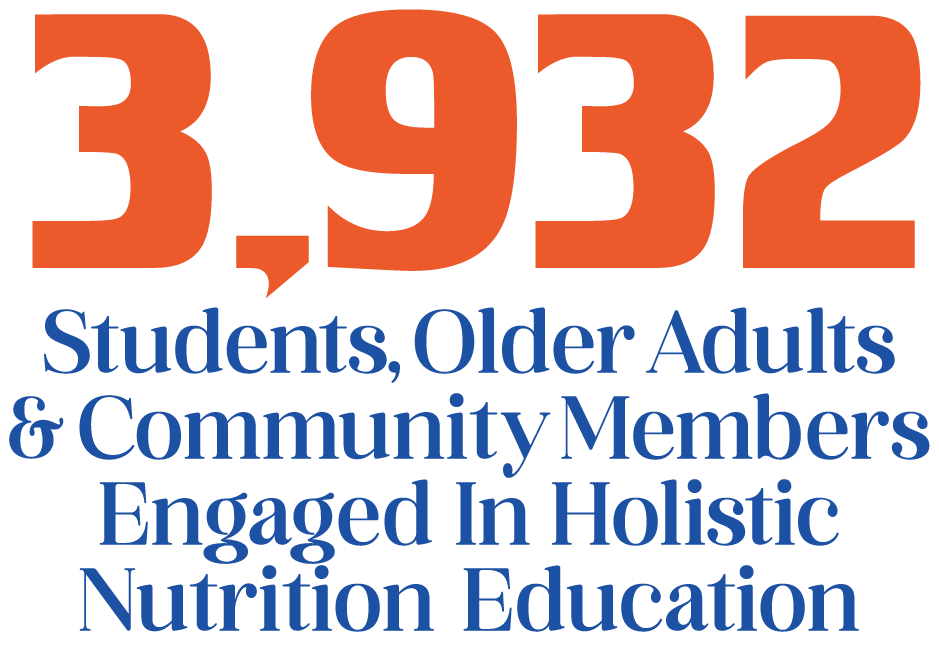
- Delivered community nutrition education services that supported long-term health, confidence and dignity for 3,932 students, older adults and community members alongside emergency food access
Volunteers and Community Support
Strengthening Our Free & Local Mission Through Service and Local Partnerships
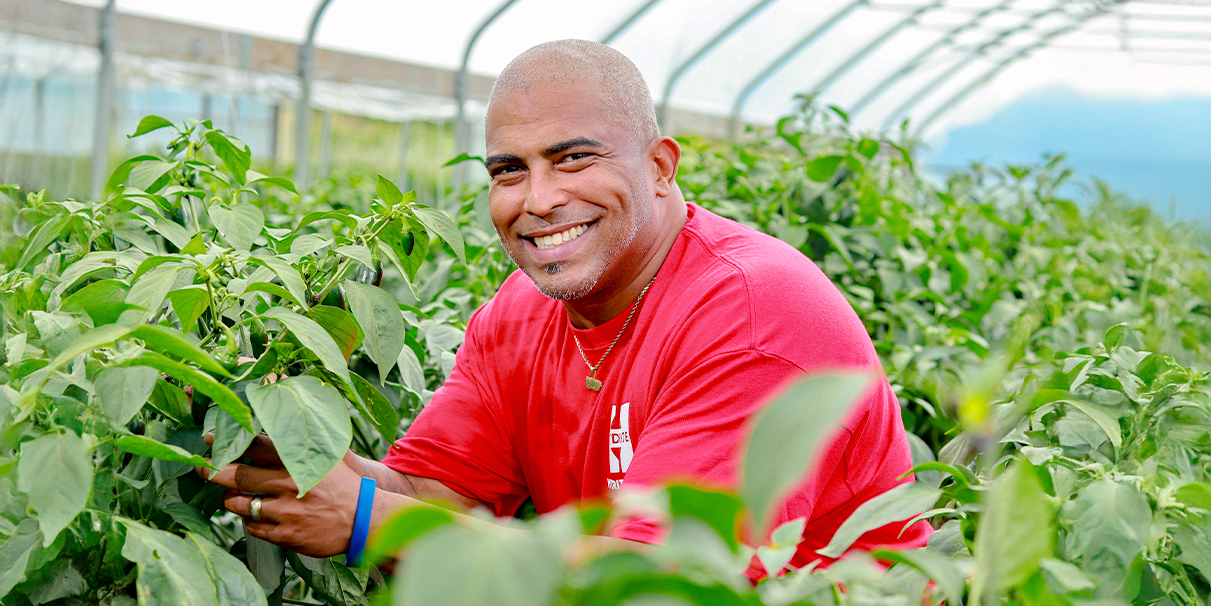
Volunteers and community support ensured continuity and dignity during a year of increased disruption and demand. Thousands of individuals, community groups and corporate partners stepped forward to support Hunger Task Force’s Free & Local mission—sorting and packing food, assisting neighbors at the Mobile Market, harvesting fresh produce at The Farm and strengthening access points throughout the emergency food network. More than 14,300 volunteers contributed their time and skills, providing essential capacity at moments when need surged and systems were strained.
At the same time, Signature Partnerships reinforced this work through annual events, media collaborations, program investments and ongoing volunteer engagement, helping ensure families, seniors and children could continue to access healthy food without interruption.


Financials and Leadership
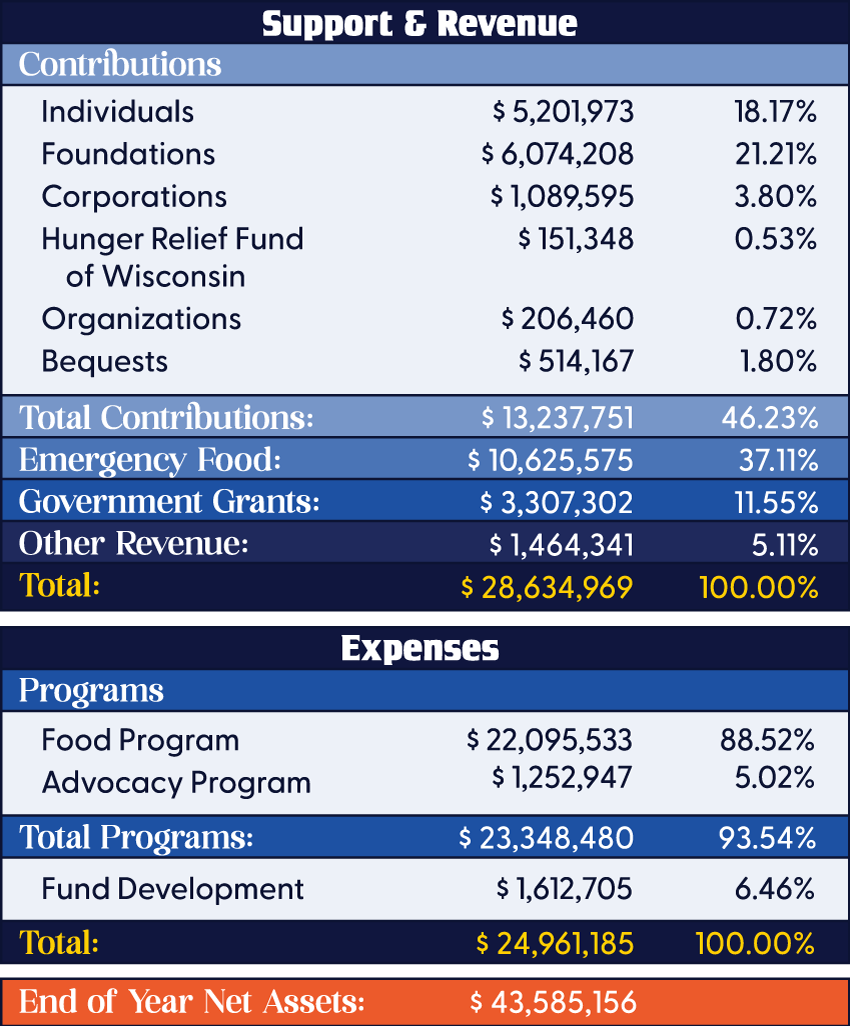
In a year defined by volatility, Hunger Task Force relied on careful stewardship, preparedness and flexibility to manage resources responsibly. This approach allowed us to respond quickly to emerging needs, maintain timely food distributions and make thoughtful investments that strengthen hunger relief efforts for the long term.
Board of Directors
Hunger Task Force is governed by a Board of Directors that jointly supervises the activities of the agency. This group of dedicated individuals represents and supports the local community through their engagement with Hunger Task Force.
- Michael Zeka, President, Quarles & Brady
- Jennifer Jones, Vice President, Prevent Child Abuse America
- Patrick J. Byrne, Treasurer, Erica P. John Fund
- Mary Burgoon, Secretary, Rockwell Automation
- Todd Adams, Zurn Elkay Water Solutions
- Miranda Banks, Kohl’s Department Store
- Jason Gottlieb, Wolters Kluwer Health
- Julia Means, Ascension Columbia St. Mary’s
- Amy Mutziger, Johnson Controls, Inc.
- S. Edward Sarskas, Michael Best & Friedrich LLP
- Ray Simpkins, Outpost Natural Foods